
Session 2: Bridging the Generational Gap in the Workplace
Today’s workforce spans multiple generations, each bringing unique experiences, values, and workplace expectations. This course helps leaders better understand generational differences and leverage those differences to build stronger, more collaborative teams. Participants will gain practical tools to communicate effectively, resolve conflicts, and develop leadership potential across generations.
What You Will Learn:
- Identify the characteristics of Boomers, Gen X, Millennials, and Gen Z in today’s workplace.
- Recognize the key influences, values, and experiences that shape each generation.
- Apply leadership approaches that effectively engage employees across generations.
- Use Behavioral-Chain and Cognitive Restructuring techniques to address generational workplace challenges.
- Assess employee readiness and potential for leadership
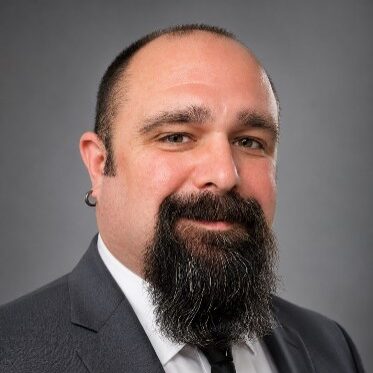
Instructor David W. Carey is a criminal justice professional, educator, and public safety leader with more than 21 years of progressive experience in community corrections, probation and parole, institutional operations, and higher education. As a Probation and Parole Supervisor with the Delaware Department of Correction, he oversees specialized supervision units, mentors staff, develops policy, and provides leadership in offender rehabilitation and organizational effectiveness. In addition to his law enforcement career, David serves as an Adjunct Assistant Professor at Wilmington University and an Adjunct Instructor at Delaware Technical Community College, where he teaches courses in behavioral science, sociology, research methods, and criminal justice. He is also a certified instructor through the University of Cincinnati in “EPICS” teaching cognitive-behavioral, evidence-based skills and has completed the FBI-LEEDA Trilogy Leadership Series. He holds a Master of Science in Administration of Justice, a Bachelor of Science in Behavioral Science, and has completed doctoral coursework in Organizational Leadership. Recognized with numerous commendations and leadership awards throughout his career, David is committed to ethical leadership, evidence-based practices, and professional development through service, instruction, and mentorship.